Posted on 1/1/2026 by Durham Prosthodontics Office
Have you ever wondered why your teeth can sometimes lose their bright sparkle? Dental bonding is a popular way to fix minor imperfections, but just like natural teeth, bonding can be affected by staining. Let's explore what can cause these stains and how to keep your smile shining.
Understanding Dental Bonding
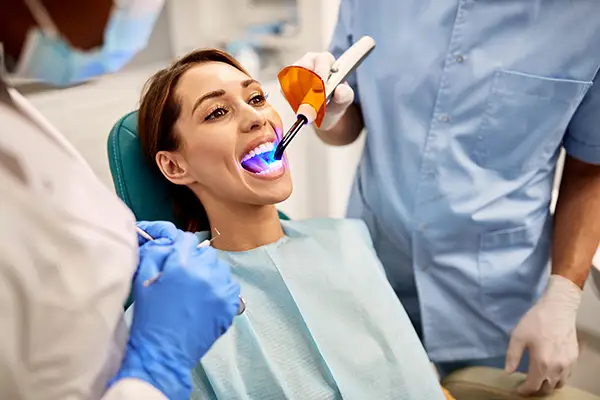
Dental bonding uses a tooth-colored resin material that's applied to the surface of your teeth. It can be used to fix chips, cracks, gaps, or discoloration. The resin is carefully matched to your natural tooth color, making it a seamless and attractive solution. While bonding is durable, it's not impervious to staining. The resin material is porous, meaning it can absorb pigments from certain foods and drinks over time.
Common Culprits Behind Staining
Many of the foods and drinks we enjoy regularly can contribute to staining. Some of the biggest offenders include:
•
Coffee and Tea: These beverages contain tannins, substances known to cause discoloration. The darker the brew, the greater the potential for staining.
•
Red Wine: Similar to coffee and tea, red wine is rich in tannins and has a deep color that can easily stain the bonding material.
•
Dark-Colored Sodas and Juices: These drinks are often highly acidic and contain artificial colors that can penetrate the resin.
•
Berries: Blueberries, raspberries, and cranberries are packed with antioxidants, but their vibrant colors can leave stains behind.
•
Smoking and Tobacco Use: Nicotine and tar in tobacco products are notorious for causing severe staining on both natural teeth and dental restorations.
•
Certain Medications: Some mouthwashes and medications containing chlorhexidine can cause staining as a side effect.
Oral Care: Your First Line of Defense
Excellent oral care is crucial to minimizing staining on dental bonding. Regular brushing, flossing, and rinsing help remove plaque and surface stains before they can penetrate the resin material.
•
Brush after meals: Aim to brush your teeth at least twice a day, especially after consuming staining foods or drinks. Use a soft-bristled toothbrush and fluoride toothpaste.
•
Floss daily: Flossing removes food particles and plaque from between your teeth, where your toothbrush can't reach.
•
Rinse with water: After consuming staining substances, rinse your mouth with water to help wash away pigments.
Prevention Dentistry and Professional Care
In addition to good oral hygiene at home, regular visits to your dentist are essential for maintaining the appearance of your dental bonding.
•
Professional cleanings: Your dental hygienist can remove surface stains and plaque buildup that you can't remove with brushing and flossing alone.
•
Polishing: During your dental cleaning, your dentist or hygienist can polish your dental bonding to remove surface stains and restore its shine.
•
Regular check-ups: Your dentist can monitor the condition of your dental bonding and identify any potential issues early on.
Long-Term Care and Considerations
While dental bonding is a great option for many, it's important to understand its limitations. Bonding may need to be replaced or touched up over time, especially if staining is a concern. By practicing diligent oral care and visiting your dentist regularly, you can help prolong the life and appearance of your dental bonding, keeping your smile bright and confident. Considering prevention dentistry is key for the long-term.
About Durham Prosthodontics | Durham, NC Durham Prosthodontics specializes in advanced restorative and cosmetic dental treatments, including implants and bridges. Schedule your consultation today! Dr. Geoffrey Cunningham and Dr. Kyle Gazdeck, 3709 University Dr Suite D, Durham, NC 27707 | (919) 489-8661 | mydurhamdentist.com | 7/2/2026 | Page Keywords: dental implants Durham NC |


 Have you ever wondered why your teeth can sometimes lose their bright sparkle? Dental bonding is a popular way to fix minor imperfections, but just like natural teeth, bonding can be affected by staining. Let's explore what can cause these stains and how to keep your smile shining.